
Equality is not a value project. It is a prerequisite for the labor market of the future
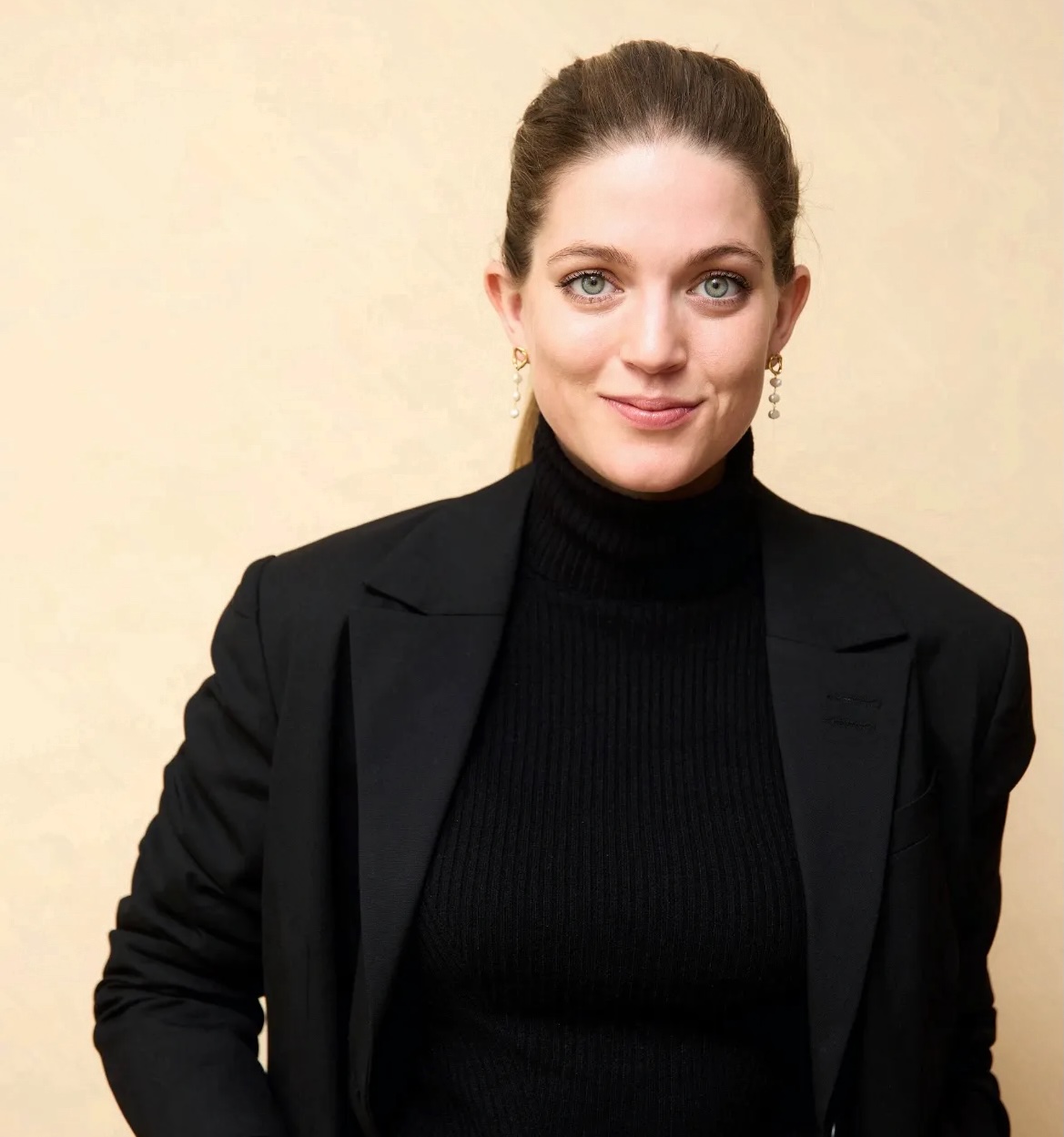 by Benedikte Løje Nielsen, Chairperson of Kvindeøkonomien
Gender equality in the labor market is not just a matter of fairness - it’s a matter of productivity and resilience. Choices are shaped long before the first job, and when talent is sorted by gender, we lose innovation, perspectives, and competitiveness. To secure the future, we must question the structures that guide careers and open paths for everyone.
Chairperson of Kvindeøkonomien, Benedikte Løje Nielsen. Photo: Malene Nelting
When we talk about equality in the labor market, it is often reduced to a question of values. Something that can be prioritized when there is a surplus. But that approach is too narrow and outdated.
Equality is not just about fairness. It is about productivity, innovation, and our ability to compete in a world where talent is the scarcest resource.
A labor market that does not exploit its potential
The Danish and European labor markets remain significantly gender-segregated. Women and men are concentrated in different industries, at different pay levels, and in different parts of the value chain; this is a structural problem.
When certain groups are systematically concentrated in certain sectors, we lose perspectives, ideas, and solutions. At the same time, we are facing a labor shortage in some of the most technologically and socially crucial areas, and lower status and wages in others that are absolutely essential to the functioning of the welfare society.
This is inefficient. And it is not sustainable.
Choices are not as free as we think
Gender segregation is often explained as the result of “free choice.” But these choices are shaped by context. They are shaped by expectations, narratives, and structures that guide people long before they get their first job.
Some skills are seen as natural to build on. Others are made less visible or less attractive. Some career paths are associated with prestige, influence, and future prospects. Others are described as “a calling” and are “rewarded” with lower pay and status.
Gender equality is a competitive parameter
In an era marked by technological change, global competition, and geopolitical uncertainty, neither Denmark nor Europe can afford to waste its talent.
If we want to strengthen innovation, productivity, and resilience, we need to think of gender equality as part of the solution, not as a side project we can prioritize during times of peace or economic booms. A more balanced labor market is not only fairer, it is also more robust.
This requires us to dare to question the structures we have taken for granted:
- Which skills do we recognize and which do we underappreciate?
- Which career paths are considered “ambitious” and which are not?
- And who, in practice, is guided where?
The future requires us to dare to do something different
A labor market that sorts talent by gender is not only unfair, it is inefficient.
When we accept, year after year, that the same groups gather in the same industries, we reduce innovation, productivity, and society’s overall resilience.
It is not a question of lack of ambition or wrong choices. It is a result of structures that we have become accustomed to not questioning.
If we want something other than the status quo, we have to do something other than what we usually do. This means that we must actively work with the narratives and systems that shape educational and career choices. Not to push people into specific tracks, but to open more doors and make more paths visible, legitimate, and attractive to everyone, including those who cannot see themselves as part of an industry as it looks today.
If we want a labor market that can sustain the future, that is exactly where we need to start.